
SolarPath solar traffic lights provide off-grid signal and warning illumination for intersections, school zones, construction work zones, rural crossings, and temporary traffic control installations. Every fixture meets Federal Manual on Uniform Traffic Control Devices (MUTCD) specifications for signal lenses, flash patterns, and photometric output. The lithium iron phosphate (LiFePO4) battery and MPPT charge controller deliver five to seven days of autonomy, which covers extended storm cycles and consecutive overcast days.
Solar traffic lights eliminate the trenching and utility coordination that new signal installations typically require. A full four-way intersection installs in two to three crew days versus eight to twelve weeks for grid-tied signals. Construction work zones and temporary deployments benefit even more from the rapid install, since the fixture relocates between phases without permanent infrastructure.
Every traffic light ships DLC listed, UL listed, MUTCD compliant, and compatible with standard traffic signal cabinets and controllers. Browse our catalog, roadway applications, and state-specific deployments.
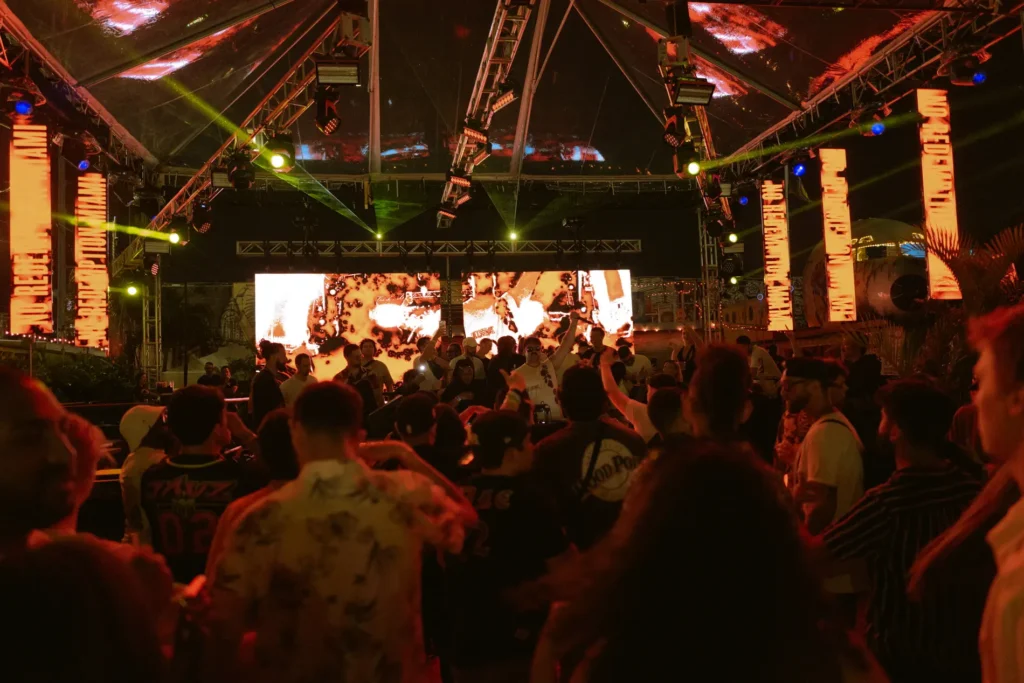
On-site coordination refers to the comprehensive management of all event-day logistics and executional elements. Unlike event planners who focus on big-picture strategy, on-site coordinators are boots-on-the-ground professionals ensuring that the event runs according to plan, timeline, and vision.
These experts liaise with vendors, manage setup crews, direct guest flow, troubleshoot tech and facility issues, and oversee everything from stage changes to sponsor signage, all while keeping the event schedule on track.
According to EventMB, over 80% of planners say on-site execution is the most stressful and risk-prone aspect of events. Hiring a dedicated coordination team significantly lowers the chance of last-minute disruptions and enhances brand perception.
Learn more about the importance of logistics execution from Meeting Professionals International (MPI).
SolarPath traffic light lenses meet MUTCD specifications for color, luminous intensity, and beam distribution across red, yellow, and green signal states. The LED arrays produce the standardized signal output that state DOT and municipal traffic engineers specify for code-compliant intersection control.
Intersections and school zones use solar traffic lights as the primary signal head or as a supplement to existing grid-tied signals. School zone flashers, pedestrian crossing beacons, and yield-on-flashing-red applications install in under one day per intersection without any utility coordination.
Construction work zones use portable solar traffic lights for temporary detours, lane closures, and work area access control. The rapid-deploy trailer-mount option supports relocation between project phases without reinstallation or permanent foundation work.
Rural intersections, county roads, and emergency traffic control installations benefit most from the off-grid design. Sites miles from the nearest utility service install in days rather than months. Power restoration after storms or accidents uses solar traffic lights as interim signals until grid service returns.
MUTCD compliant, 5 to 7 day autonomy, compatible with standard traffic signal cabinets, trailer-mount or fixed-pole configurations, and rapid deployment.
Specification | Value |
Signal Lenses | Red, Yellow, Green (MUTCD compliant) |
LED Wattage (per lens) | 20 to 60 W |
Luminous Intensity | Meets MUTCD ITE VTCSH specifications |
Battery Type | Lithium Iron Phosphate (LiFePO4) |
Battery Capacity | 1,200 to 2,400 Wh |
Solar Panel | Monocrystalline, 200 to 400 W |
IP Rating | IP66 |
Controller Compatibility | Standard NEMA TS1/TS2 signal cabinet |
Flash Patterns | Steady, flashing, school zone timer, pedestrian beacon |
Mounting | Pole, trailer-mount, mast arm |
Pole Height | 12 to 25 ft |
Autonomy | 5 to 7 nights |
Operating Temperature | -40 F to 140 F |
Deployment Time | Under 1 day per intersection |
Warranty | 5 years standard |
Certifications | DLC, UL, FCC, MUTCD compliant |
Signal lenses meet Federal Manual on Uniform Traffic Control Devices specifications for color, intensity, and distribution.
Full intersection installs in 2 to 3 crew days versus 8 to 12 weeks for grid-tied signals with utility coordination.
5 to 7 nights of operation covers extended storm cycles and consecutive overcast conditions without signal failure.
Works with NEMA TS1/TS2 signal cabinets and controllers, allowing integration with existing intersection infrastructure.
Traffic signal installations have traditionally required extensive trenching, utility coordination, and multi-month permitting timelines. SolarPath solar traffic lights compress that timeline to days by eliminating grid connection entirely. State DOT agencies, municipal traffic engineers, and construction project managers use SolarPath traffic lights for rapid signal deployment on rural intersections, school zones, work zones, and emergency installations.
Browse our catalog and roadway applications.


Yes. SolarPath signal lenses meet MUTCD specifications for color, luminous intensity, and beam distribution across red, yellow, and green states. Documentation is provided for municipal and state DOT approval on every project.
Two to three crew days for a full four-way intersection. Single-head pedestrian beacons and school zone flashers install in under one day. This compares to eight to twelve weeks for grid-tied signals including trenching, utility coordination, and permitting.
Yes. SolarPath traffic lights integrate with NEMA TS1 and TS2 signal cabinets and controllers. This allows seamless integration with existing intersection infrastructure and intersection management systems.
Five to seven nights of continuous operation on a full charge. LiFePO4 battery capacity (1,200 to 2,400 Wh) supports extended overcast cycles, hurricane events, and disaster recovery scenarios without signal failure.
Yes. Trailer-mount configurations relocate between work zones without reinstallation. The pole, panel array, and signal head fold for transport and redeploy at the next site in under one hour.
Yes. Programmable time-of-day and time-of-week controllers activate flashing school zone beacons during morning and afternoon arrival periods. Time settings update through a standard traffic controller interface.
Rural intersection retrofits, school zone beacons, construction work zones, pedestrian crossing beacons, emergency traffic control after grid outages, and temporary detour signals during roadway construction projects.
We always arrive with a contingency plan. Whether it's a missing rental, weather-related change, or delayed speaker, we troubleshoot quietly and professionally so your event never misses a beat. Our coordinators are solution-oriented and trained for rapid response.
Request a free solar lighting audit and discover how off-grid commercial lighting can reduce your operating costs to zero.
Or call 1-800-SOLAR-PATH